Why System Integration Is the Backbone of Modern Healthcare
Oct 27, 2025
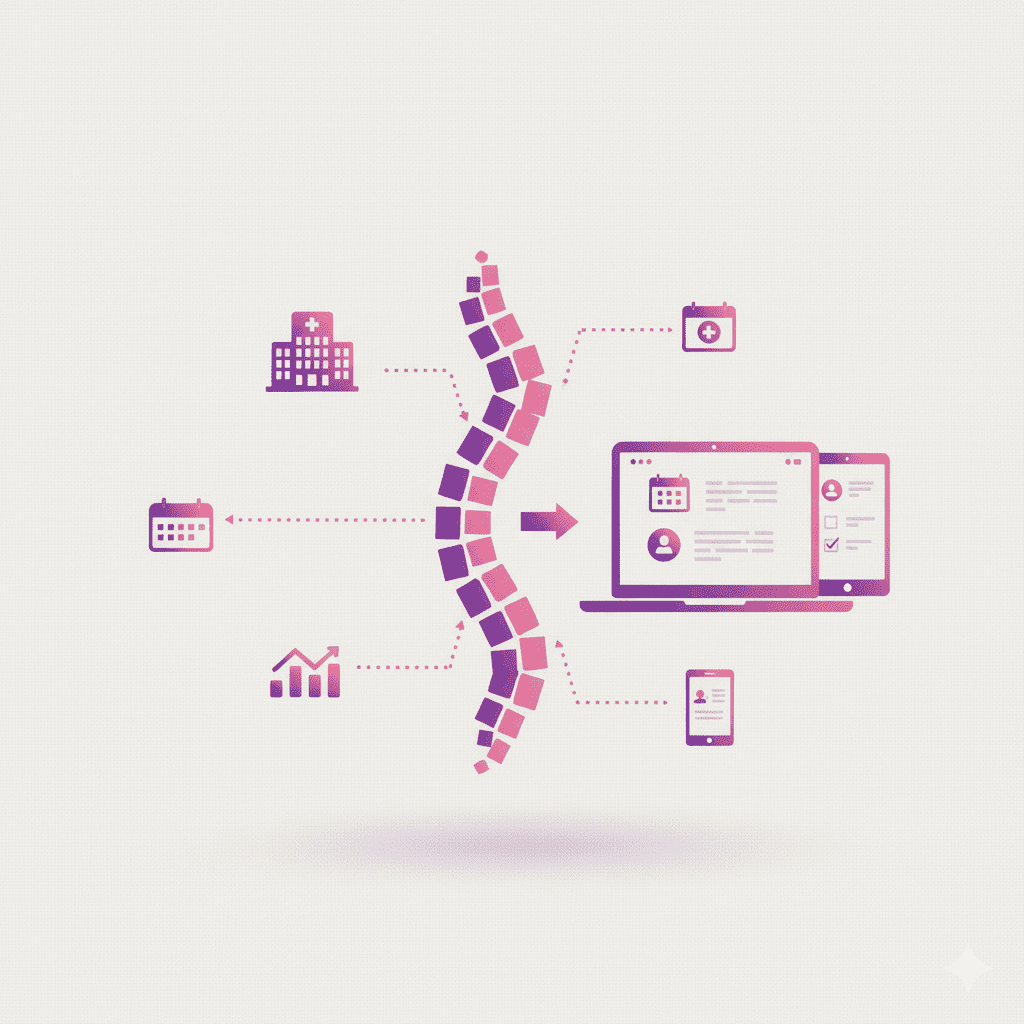
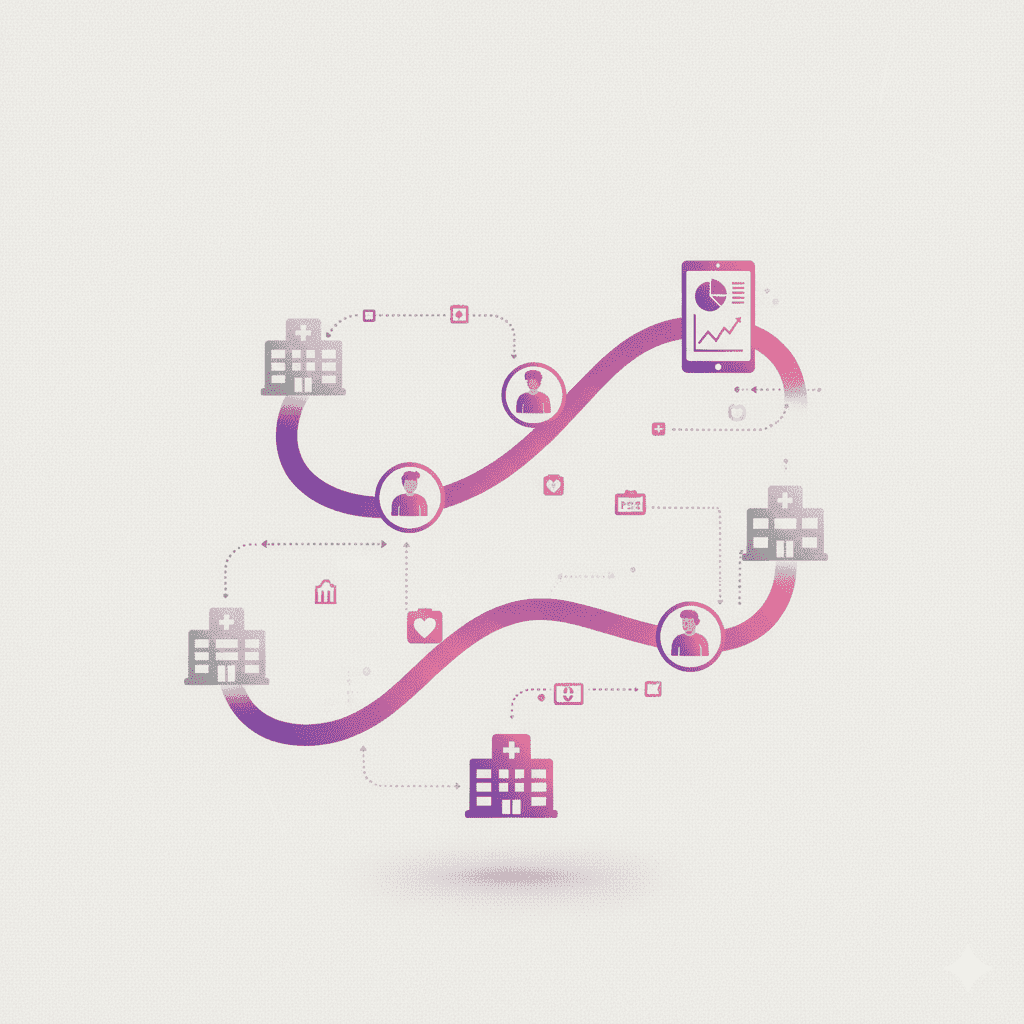
Modern healthcare relies on countless moving parts, labs, pharmacies, appointments, billing, imaging, referrals, and patient records. When these systems don’t communicate, clinics operate with blind spots. System integration brings everything into one connected workflow, ensuring care is faster, safer, and more reliable.
No More Fragmented Patient Data
When records are scattered across departments or platforms, staff waste time searching, calling, or re-entering information. With integrated systems:
Every department sees the same updated data
Patients move smoothly between services
Errors caused by missing information disappear
Care becomes continuous, not disconnected.
Faster Results and Smoother Referrals
Delayed lab results and manual referrals slow treatment. Integration automates the flow:
Lab results sync instantly
Referrals trigger real-time notifications
Specialists access everything they need immediately
Patients get answers faster and that changes outcomes.
Accurate Billing and Clear Communication
Billing errors often come from mismatched data. When systems are unified:
Charges pull directly from patient activity
Invoices are accurate
Patients clearly understand what they’re paying for
Trust grows when numbers align with care.
Operational Efficiency Without Extra Work
Integrated systems eliminate repetitive tasks like:
Re-entering patient information
Printing and transferring paper files
Manually updating schedules
Staff spend more time helping patients and less time fixing software gaps.
The Bottom Line
Healthcare works best when everything works together.
System integration gives clinics a single source of truth, faster workflows, and safer care. It’s not just technology, it’s the infrastructure behind modern medicine.